In a city saturated with live music, it takes something genuinely disruptive to make an audience pause. Last Wednesday in Brixton, at Hootananny Brixton—a venue that once hosted early performances by Amy Winehouse, Ed Sheeran, and Jorja Smith—that disruption arrived in the form of a little-understood Spanish act: Msb Mario, better known as “El Niño de la Pili.”
It was Spain Day as part of the venue’s international programming. What no one quite expected was this.
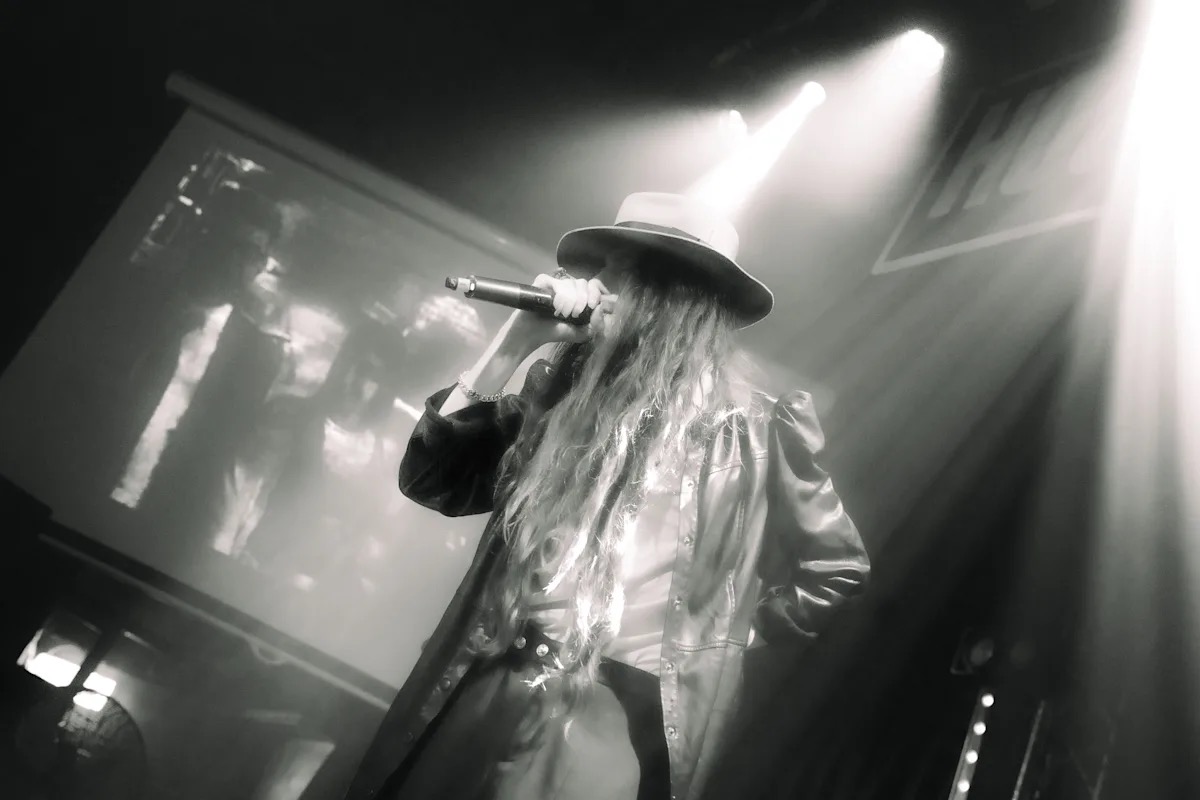
El Niño de la Pili does not fit comfortably into any genre. He is described as spoken word, yet performs like a frontman; he gestures toward flamenco, yet leans into electronic textures; he references pop structures, yet resists melody. What emerges is something deliberately unstable—an artistic identity built on contradiction.
He arrived late. Very late.
By the time he took the stage, anticipation had shifted into skepticism. The setup—tables, an unusual staging dynamic—suggested that what was about to unfold would not resemble a conventional concert. And it didn’t. Mario wasn’t there to perform songs in the traditional sense. He was there to construct a narrative.
It only fully revealed itself at the end.
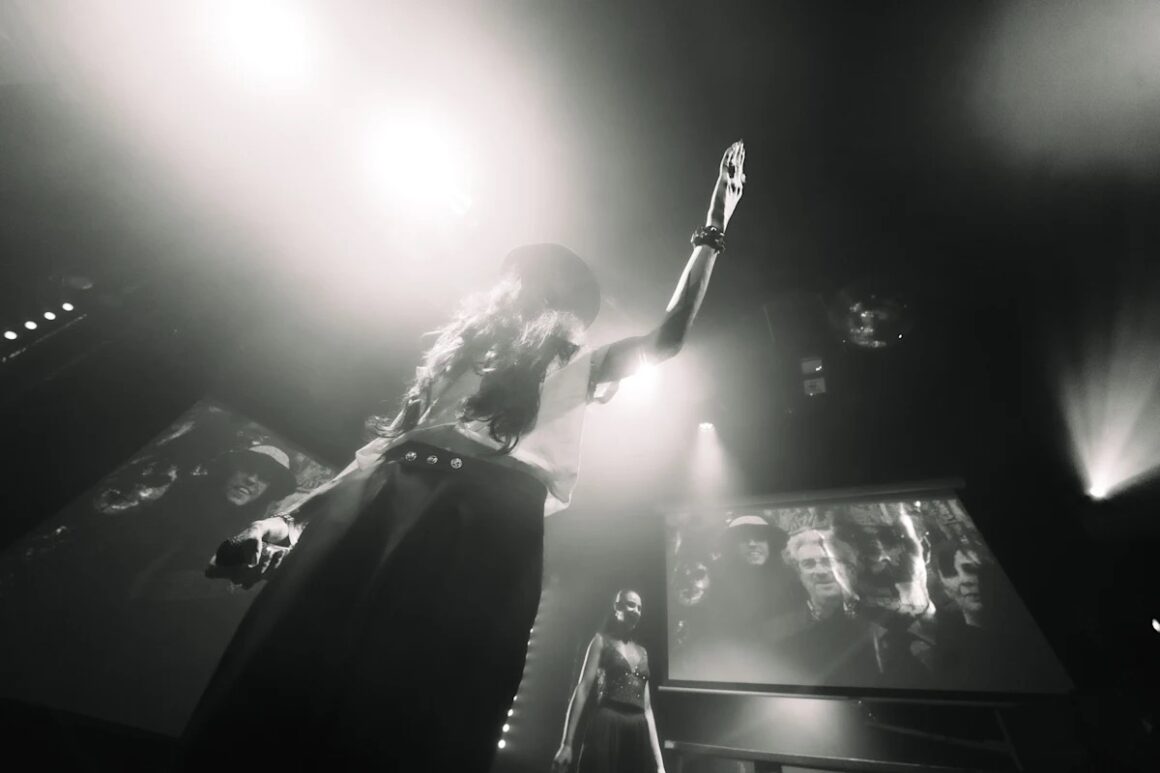
Accompanied by a dancer whose presence lent her performance a striking physical and artistic clarity—and injected the stage with a surge of raw, undeniable energy—Karmen briefly pulled the room out of London and into Spain. For a few suspended minutes, the atmosphere shifted entirely, as her movements evoked something deeply rooted and instinctive, while Mario crossed the stage with a near-disarming, almost careless, yet with a look of calm on his face, as if he knew exactly what was going to happen.
The chemistry between them was impossible to ignore; not decorative, but central—one of the performance’s most compelling forces. Behind it all, the relentless pulse of the flamenco cajón held everything together, anchoring a show that, at any other moment, seemed ready to slip into complete unpredictability.
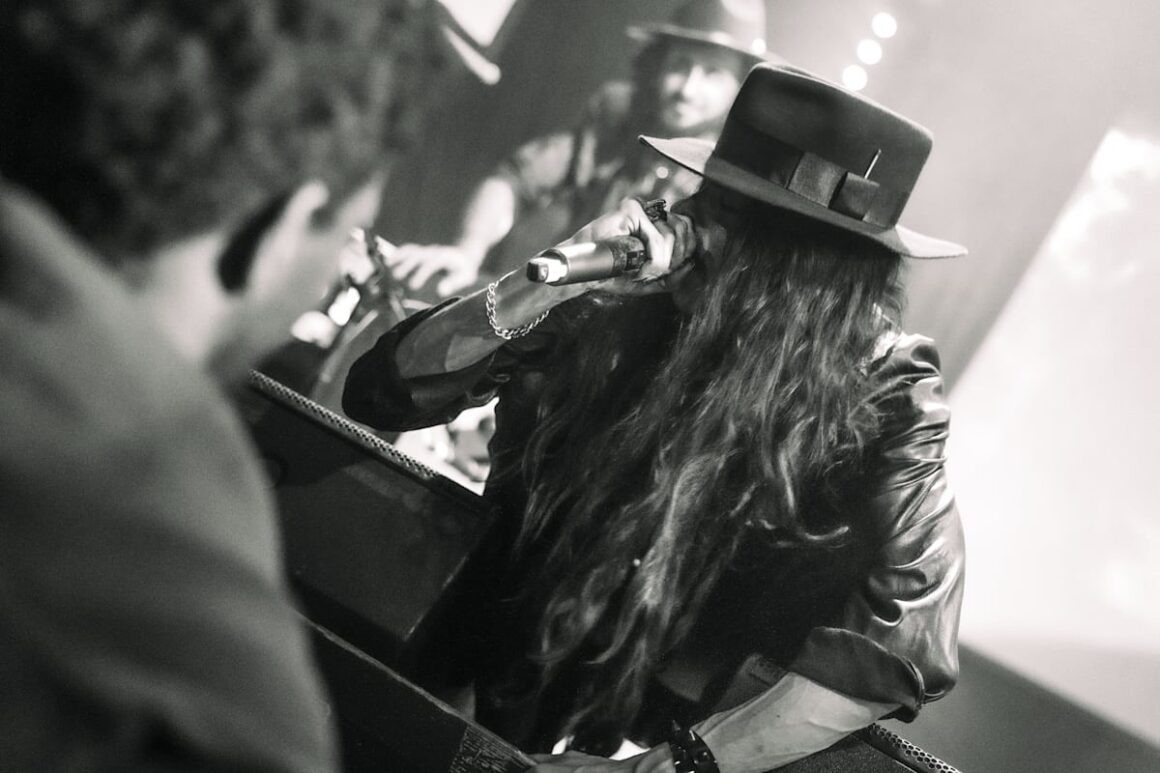
There is something deliberately uncomfortable about Mario’s presence. His delivery is raw, occasionally abrasive; his habits on stage challenge expectations of decorum. Yet, against that resistance, there is also magnetism. Not immediate, not universal—but undeniable.
Visuals played throughout the performance, later revealed to blend personal family imagery with references to Spain’s cine quinqui movement. The result was disorienting, intimate, and strangely cohesive. Watching El Niño de la Pili is less about understanding and more about absorbing fragments—images, phrases, gestures—that linger.
Tracks such as Dorme Bu and Just Feel Alone brought the room into near silence, the latter—still unreleased—standing out as one of the evening’s most arresting moments. The audience, seated and unusually attentive, followed a narrative that felt at once deeply personal and deliberately obscured.
With Lontano por Dentro and No es por ti, El Niño de la Pili revealed a hybrid language: somewhere between rap and rock, though not fully committed to either. It is not necessarily accessible—but it is effective.
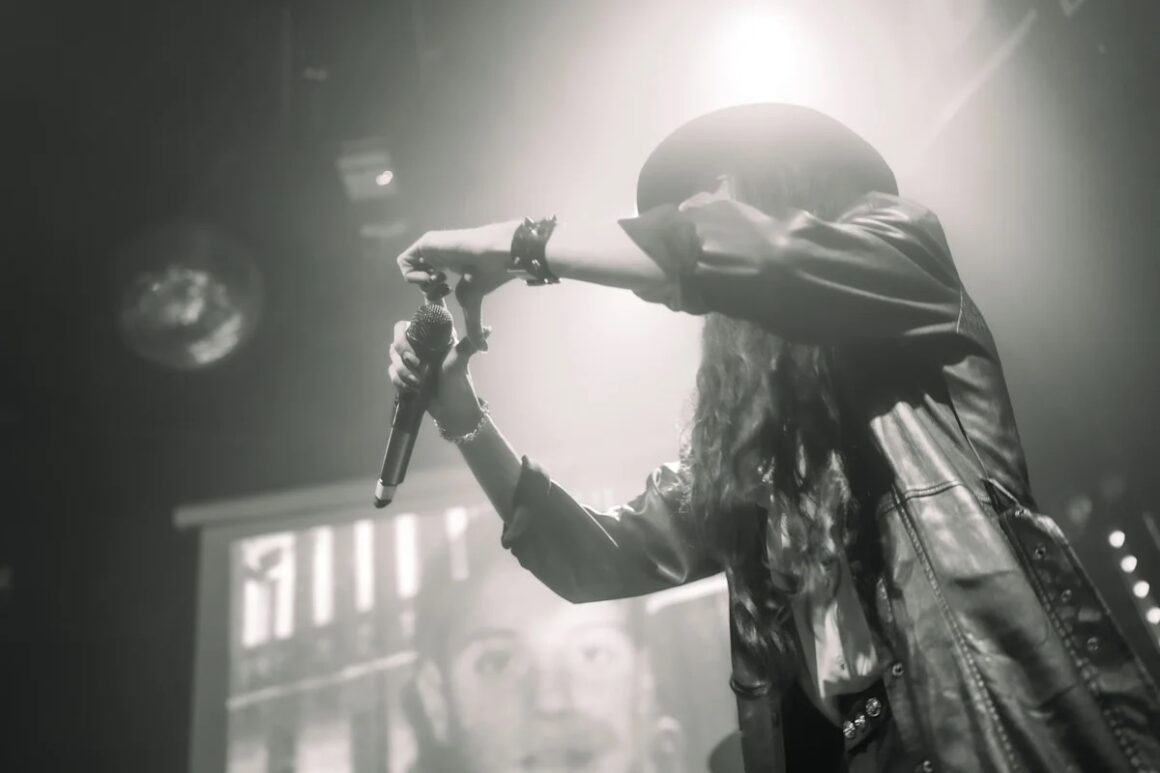
Then came Chela Chele.
Early in the set, the track shifted the room. The audience responded instinctively, echoing back its refrain, revealing something crucial: regardless of genre, Mario understands repetition, tension, and release. He knows how to stay in your head.
If there was a turning point, however, it came later.
With Chapala, Mario delivered—arguably for the first time in his live trajectory—a piece of spoken word firmly anchored in the language of reggaeton. The result was striking: a poetic structure carried by a rhythmic framework more commonly associated with club music. It shouldn’t have worked. It did.
The final stretch of the show leaned further into movement. Con Ella transformed the venue into something resembling a collective choreography, blurring the line between performance and participation. It was unexpected, almost disorienting within the context of London’s live scene—and precisely for that reason, effective.
By the time Acuérdate arrived—with its accelerated merengue pulse and a vocal delivery that felt unusually exposed—the audience had fully surrendered to the experience. And just as that momentum peaked, it ended.
Abruptly.
Mario disappeared during Suave. No explanation. No encore.
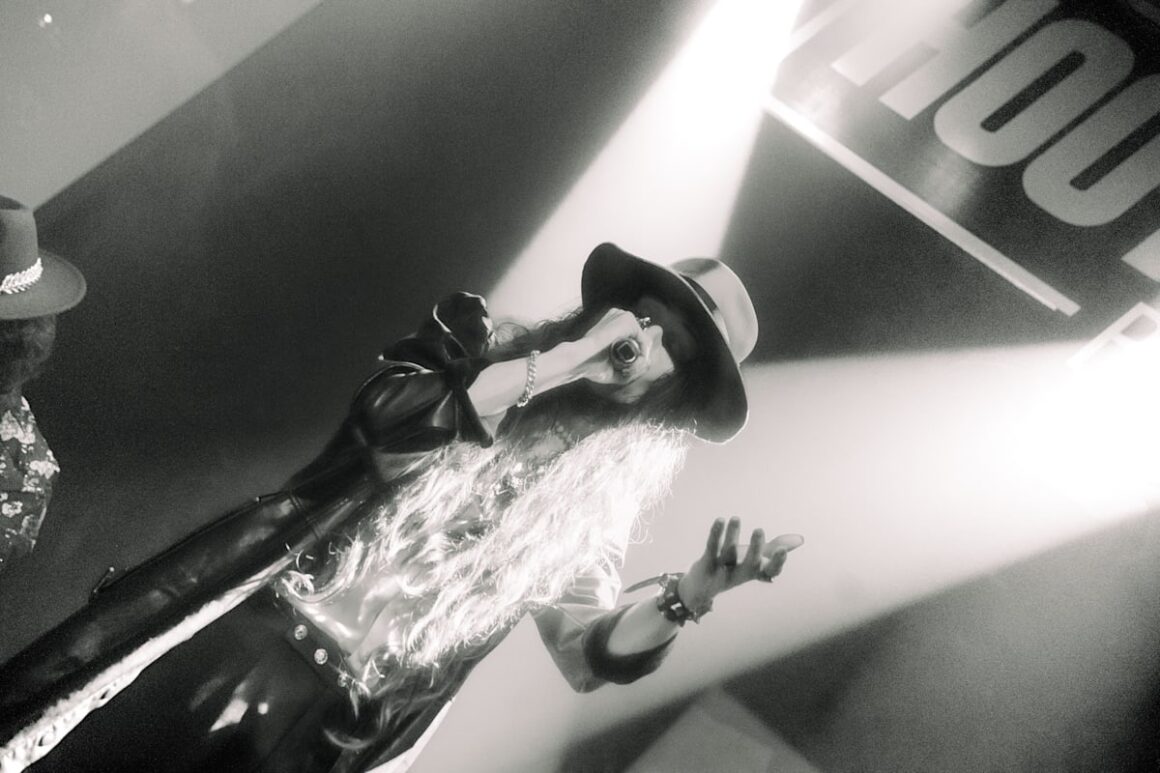
After the show, an interview had been scheduled. He never appeared.
What followed raised further questions. Members of the team offered little clarity, and access to the artist remained restricted. Whether this absence was part of the performance’s mythology or something less intentional remains unclear—but in an era where narrative often extends beyond the stage, the ambiguity only adds to the intrigue.
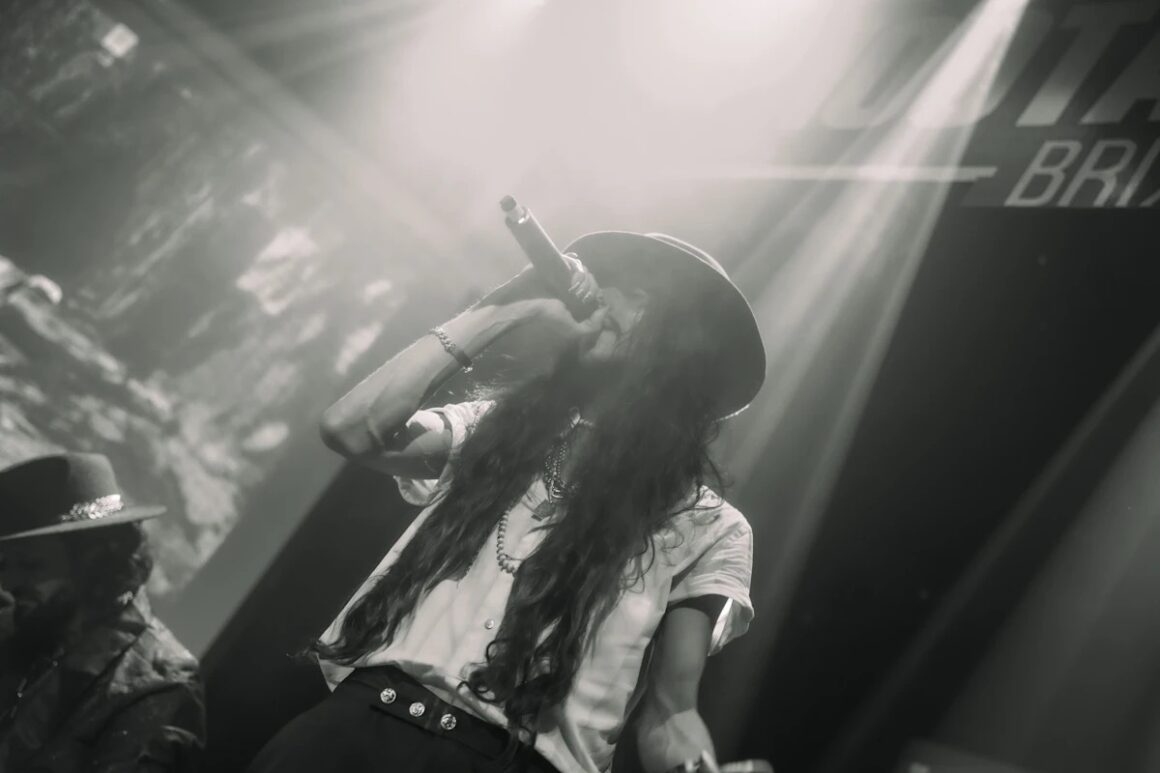
Because that is ultimately what Msb Mario “El Niño de la Pili” leaves behind: not certainty, but conversation.
And in today’s music landscape, that may be the most powerful statement of all.