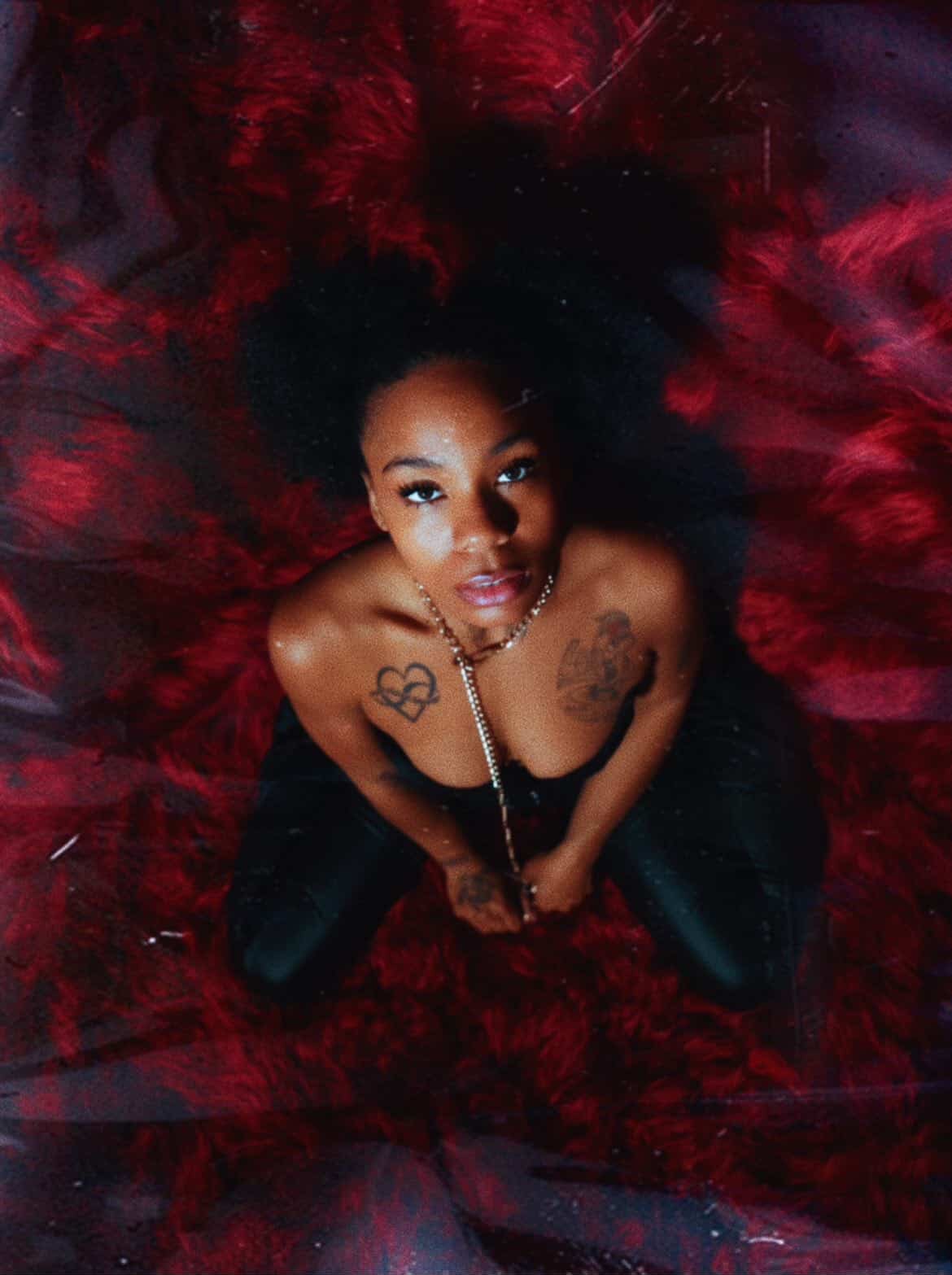
In a compelling new interview with Music Times, rising artist Big Saki opens up about her latest release, Forbidden Fruit—a deeply introspective track that blends themes of temptation, love, spirituality, and emotional consequence. Through poetic storytelling and raw honesty, Saki invites listeners into a world where beauty and danger intertwine.
Music Times: “Forbidden Fruit” is layered with themes of temptation, love, and consequence—what inspired the story behind this release?
Big Saki: “Forbidden Fruit came from a space where desire and discipline were at war. It’s about knowing something feels good, looks beautiful, even heals parts of you… but deep down, you question what it’s costing you. I wanted to capture that moment where you’re standing at the edge, fully aware of the fall, and still leaning forward.”
Music Times: The lyrics feel deeply personal and poetic, especially references to “poison” and “second guesses.” How much of this reflects your real-life experiences?
Big Saki: “A lot of it is real, just translated through poetry. It came from a situation where I was so infatuated with someone, it became poison. I was intoxicated by him—by who he was with me—and the ‘second guesses’ came from me being willing to question myself just to be with him. It was a wild time… but it made a great song.”
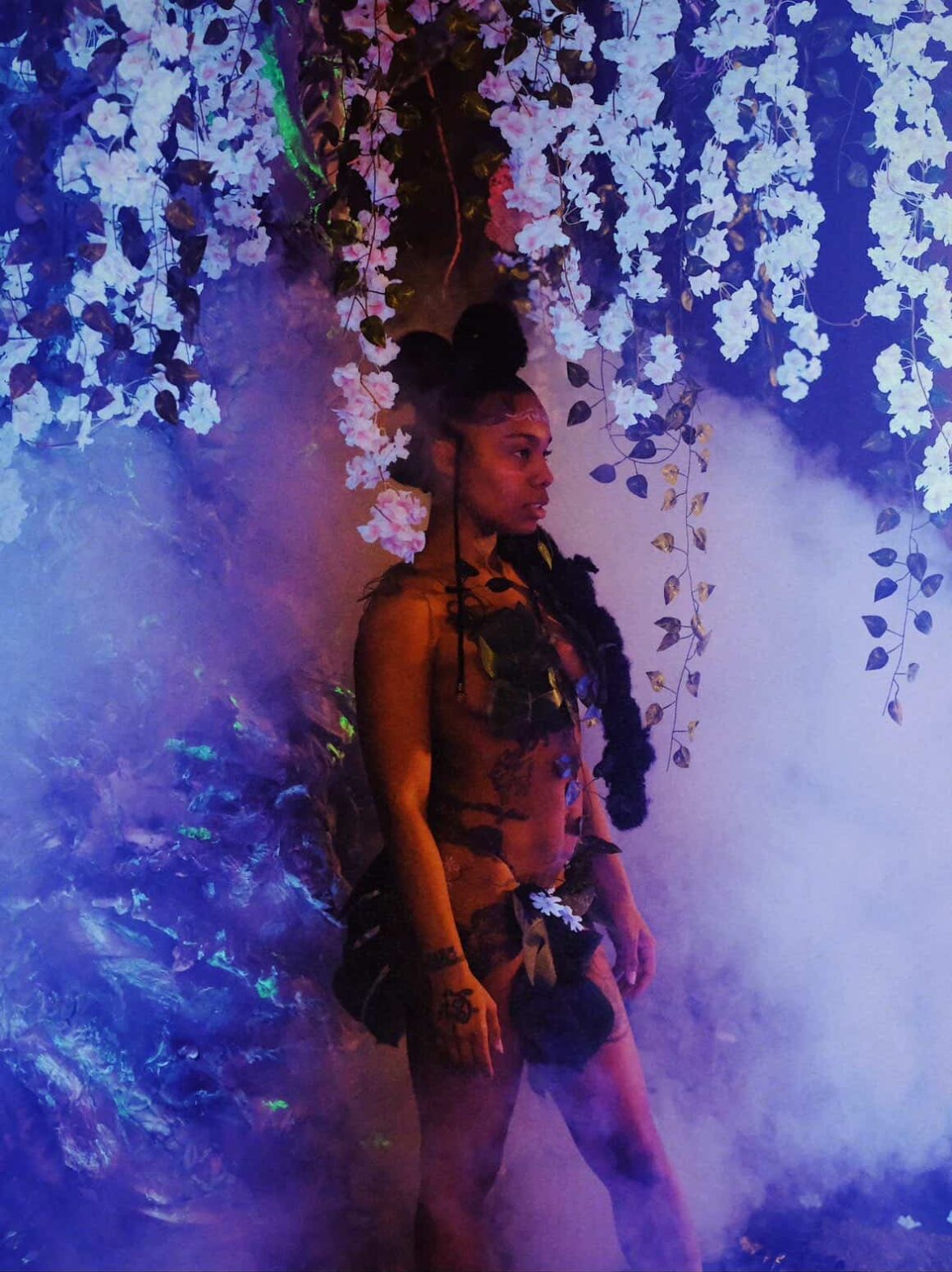
Music Times: The track closes with a biblical reference—‘He that is without sin… (John 8:7).’ How does spirituality influence your music and storytelling?
Big Saki: “Spirituality is woven into everything I do. I don’t separate my faith from my art. That line was intentional—it’s a reminder that none of us are perfect, yet we judge ourselves and others so harshly. My music lives in that tension between sin and grace, temptation and accountability.”
Music Times: The repetition of ‘you’re so beautiful, majestic’ creates a hypnotic emotional pull. What were you aiming to convey?
Big Saki: “I wanted it to feel like a spell—like when you’re caught in admiration that almost blinds you. Sometimes we romanticize people to the point where we stop seeing them clearly. That repetition is the trance—how easy it is to get lost in someone’s presence and ignore everything else.”
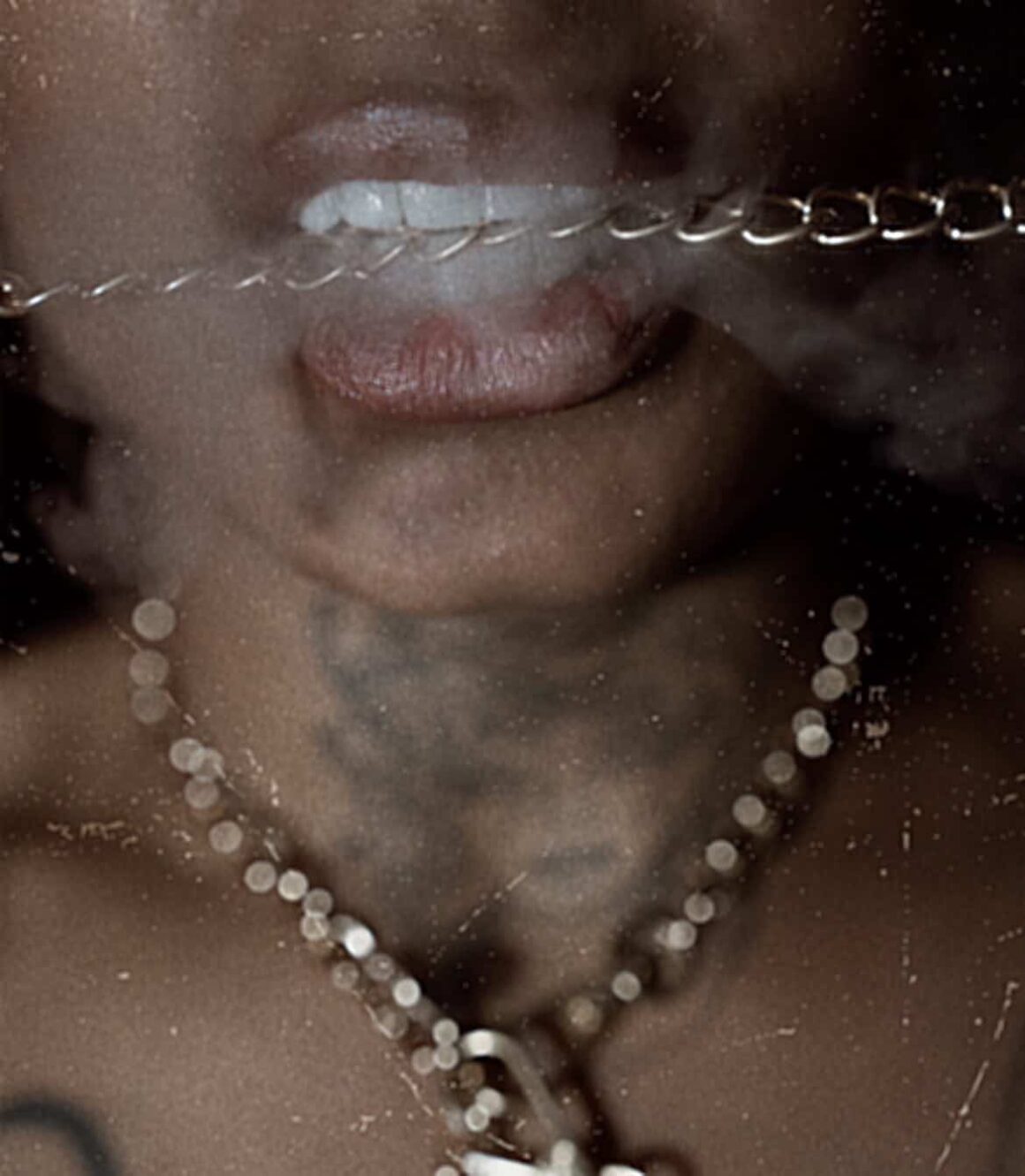
Music Times: The music video adds a strong visual narrative. What was your vision, and how does it expand the song’s meaning?
Big Saki: “The visual was about duality—that beauty and danger can exist in the same space. I wanted it to feel cinematic, almost like you’re in the Garden of Eden experiencing it with us. Every scene represents a different emotional state: temptation, reflection, consequence. It gives the audience something to feel, not just watch.”
Music Times: You included your children in the video, which is very personal. What led to that decision?
Big Saki: “That was one of the scariest decisions I’ve made. I’m very private about my kids—I share them sparingly to protect their innocence and keep their world separate from mine. But placing them in this story made sense. It reflects different stages of life—me after the consequences, my oldest beginning to understand them, and my middle still innocent. It added depth. It made people pause and really think.”
Music Times: This song explores love, temptation, and emotional conflict. How has your personal love life influenced this record?
Big Saki: “My love life has definitely shaped this record. It was inspired by someone I love deeply. I’m grateful for what they gave me creatively, and I genuinely wish them well.”
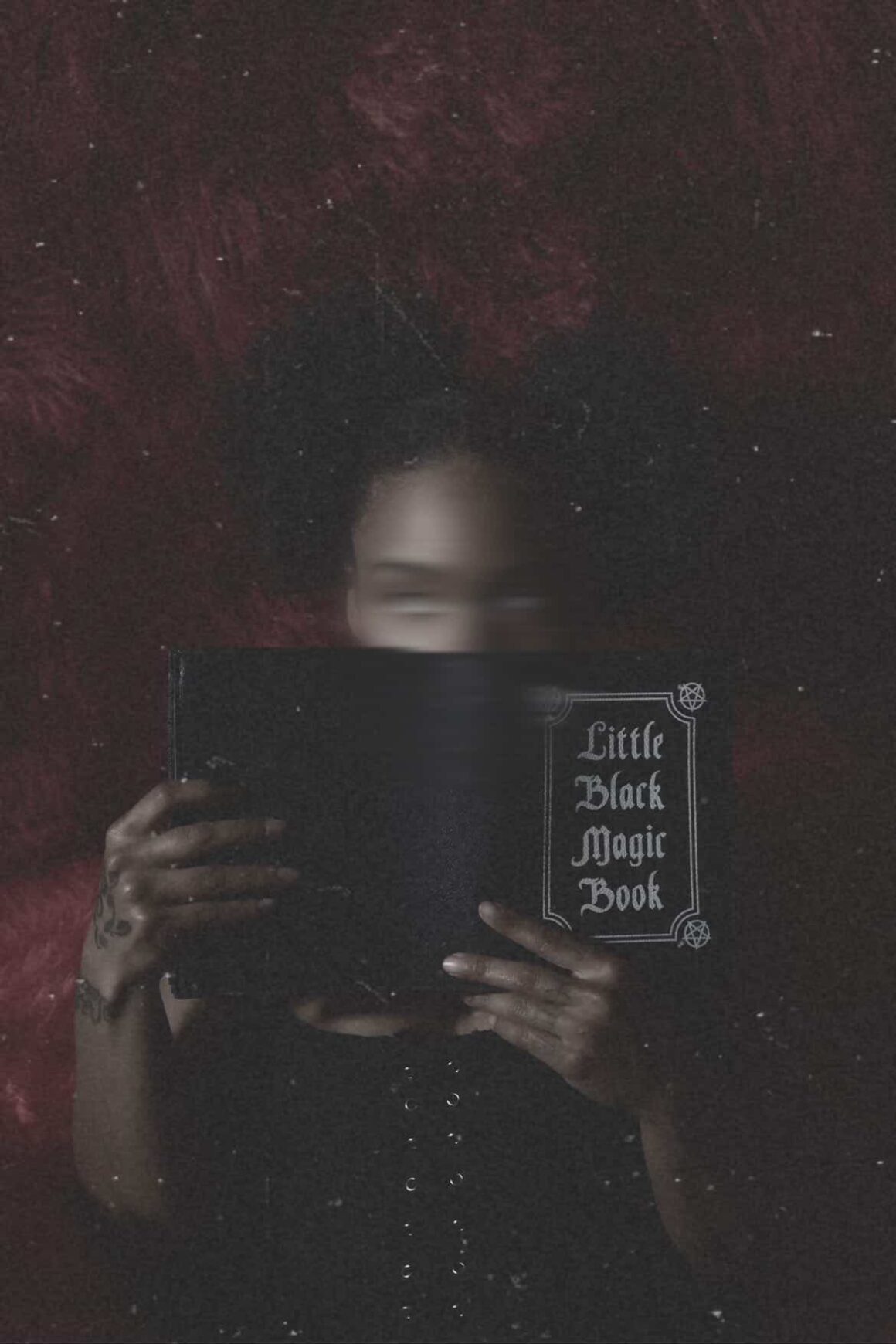
Music Times: Looking ahead, how does “Forbidden Fruit” represent your growth as an artist, and what can fans expect next?
Big Saki: “This record is me taking the gloves off—no more hiding who I truly am. I’m stepping fully into being a leader of the fatales. It’s important that I stay real, not just with myself, but with them… while still holding onto a sense of mystery. As for what’s next—you’ll have to join the journey to see where I lead the legion.”
With Forbidden Fruit, Big Saki doesn’t just deliver a song—she offers a layered experience that challenges listeners to confront desire, self-awareness, and the consequences that often follow. It’s a bold step forward for an artist unafraid to merge vulnerability with vision.