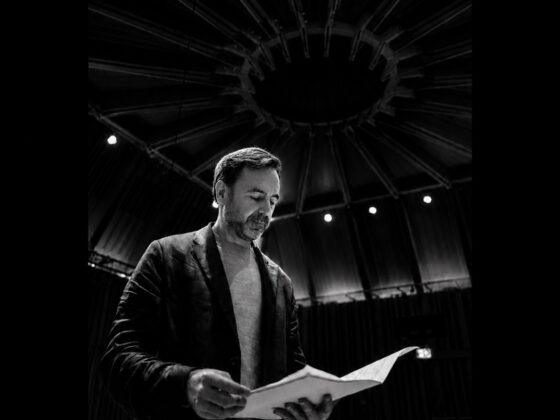
Australian author Junior Joseph explores consciousness, perception, and the mysteries of existence in a thought-provoking metaphysical novel.
The Question That Fractured the Sky is a metaphysical novel that pushes beyond the boundaries of ordinary reality, inviting readers to confront one of the most difficult subjects imaginable: the truth hidden behind their own consciousness.
Written by Australian author Junior Joseph, the novel brings together philosophy, cosmic mystery, existential questions, and human vulnerability in a story that feels simultaneously intimate and universal. At its heart is a single, impossible question—one powerful enough to challenge assumptions, fracture perceptions, and reveal what may lie beneath the surface of existence.
As the story unfolds, its characters are forced to confront the consequences of that question. Each must wrestle with personal beliefs, fears, doubts, and the fragile illusions upon which they have built their lives. What begins as a search for answers gradually becomes a deeper exploration of identity, reality, and the unknown.
A Story About Reality, Identity, and the Unknown
Rather than relying on traditional fantasy conventions, The Question That Fractured the Sky builds its narrative around metaphysical tension. The novel explores profound concepts while remaining grounded in the emotional experiences of its characters.
Among its central themes are:
- Consciousness — the nature of awareness and what it means to truly perceive existence.
- Perception — the ways reality can shift according to belief, experience, and interpretation.
- Existential Choice — the consequences of searching for truth and the difficult decisions that follow.
- Cosmic Mystery — the unseen forces and possibilities that may influence human experience.
The world of the novel becomes more than a setting. It feels alive, reactive, and deeply connected to the question at its center. As the sky begins to fracture, so too do the boundaries separating the physical from the metaphysical.
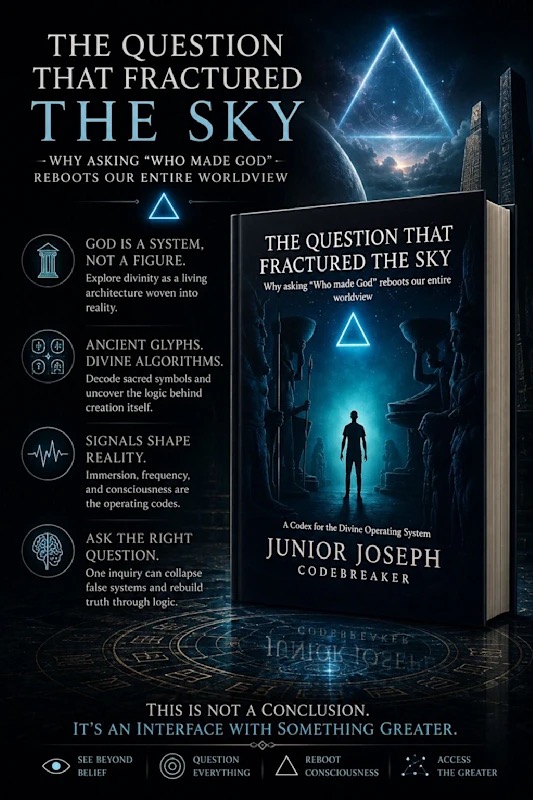
When Reality Begins to Break
One of the novel’s most compelling qualities is its ability to transform an abstract philosophical idea into a deeply personal experience. The characters are not simply searching for answers; they are confronting the possibility that the answers themselves could fundamentally change who they are.
The novel raises difficult questions about the human desire for certainty. What happens when someone discovers a truth they are not prepared to accept? How far would a person go to protect their understanding of reality? And is the universe ultimately shaped by the questions we ask—or by the courage required to ask them?
These questions give the story an atmosphere of tension and uncertainty, encouraging readers to look beyond the events of the narrative and consider their own assumptions about existence.
A Novel That Lingers Beyond the Final Page
The Question That Fractured the Sky stands out because it does more than tell a story. It challenges its audience to reflect.
Its ideas are designed to linger long after the final page, potentially inspiring discussion, debate, introspection, and even discomfort. In this context, that discomfort becomes part of the experience—the kind that can encourage personal reflection and growth.
Junior Joseph’s writing combines grounded human emotion with high-concept metaphysical ideas, creating a narrative that feels both cosmic and personal. The scale of the questions may reach toward the universe, but their impact remains rooted in the individual.
Every decision carries consequences. Every thought appears to have weight. And every question has the potential to reshape the world around it.
Ultimately, The Question That Fractured the Sky invites readers to step beyond the familiar and consider what might exist on the other side of certainty. It is a story about consciousness, reality, identity, and the courage to question everything we believe we know.